Most gas water heaters in Lee's Summit, MO work the same basic way. Gas enters through a control valve that doubles as the thermostat and feeds a burner beneath the tank, and the hot exhaust travels up a flue through the middle of the tank and out through the vent. A thermocouple, or a flame sensor on newer electronic models, tells the valve a flame is present; without that signal, the valve closes for safety. The design is dependable, but it has a few predictable weak spots. Thermocouples wear out, pilot tubes and burner ports clog, the flame arrestor screen at the base packs up with lint and dust, control valves fail, and vents lose their draft.
Lee's Summit Water Heater does not guess with gas appliances. On every Lee's Summit call, our technicians test the thermocouple's millivolt output, inspect the pilot and burner flame, check gas pressure at the valve, and run a draft test at the draft hood to confirm exhaust is actually leaving the house. We look inside the combustion chamber for scorching, rust, and signs of flame rollout, which tell us whether the flue is blocked or the burner is misbehaving, and we check for carbon monoxide around the heater. One rule comes before all of it: if you smell gas, do not light anything or flip switches. Leave the house, call your gas utility from outside, and then call us once it is safe.
Most gas water heater repairs are finished in a single visit. We replace thermocouples, flame sensors, pilot assemblies, and igniters, clean burners and flame arrestor screens, swap failed gas control valves, and correct vent connectors that have separated or lost their slope. We also flush sediment, the cause of that popping or rumbling sound and a major reason tanks overheat at the bottom and fail early. When the tank itself is leaking or the heater is deep into its service life, we tell you honestly and walk you through replacement. New installations are sized by first-hour rating, not just gallons, and include the right venting, a sediment trap on the gas line, an expansion tank where needed, and seismic straps and a drain pan where code requires them. Call (816) 219-8133 and we will have a technician on the way.
Most of our service calls are for Water Heater Repair in Lee's Summit and Water Heater Installation in Lee's Summit. That's the place to start for most homes.
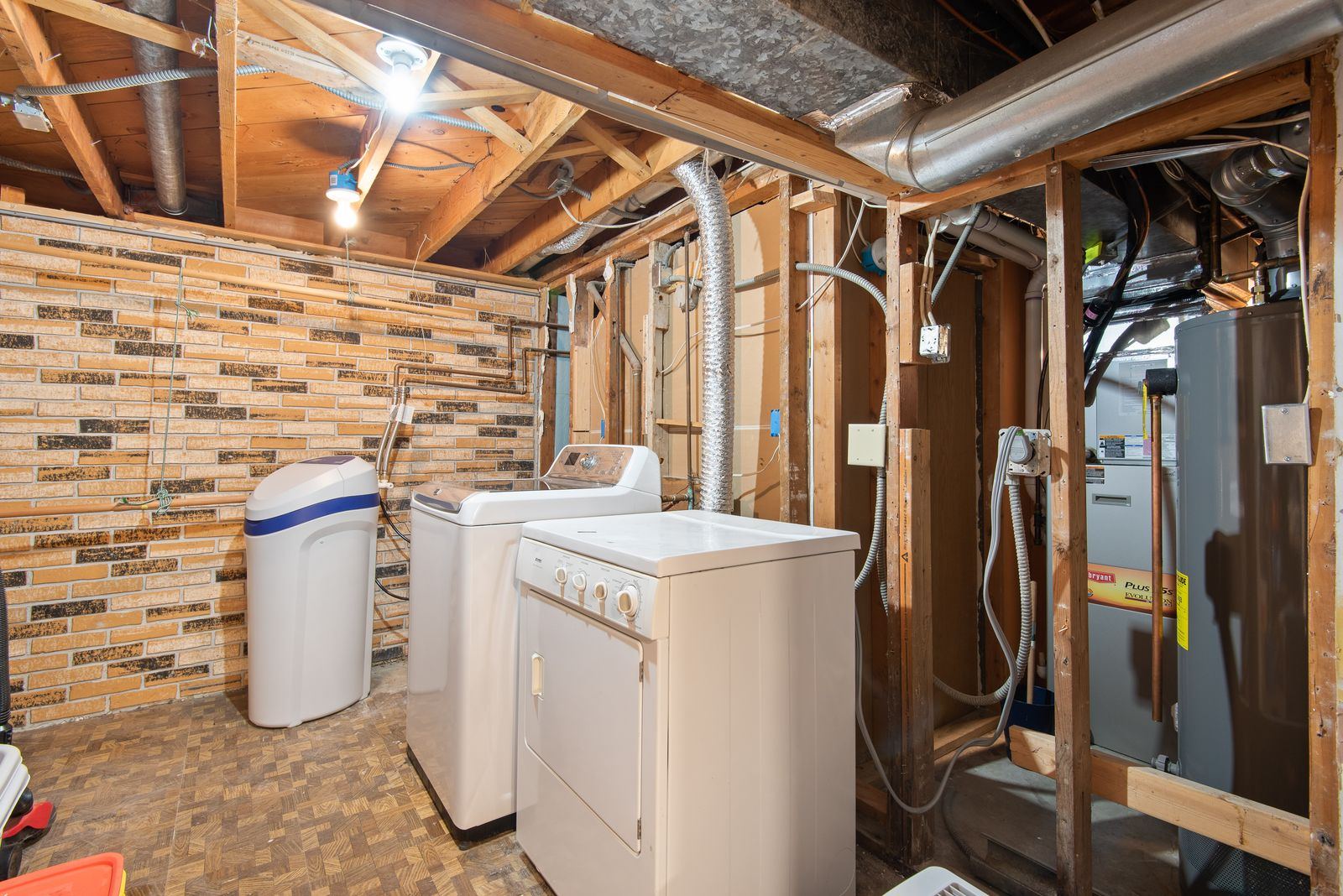
How to Tell Something Is Wrong
Catching a symptom early is often the difference between a quick part swap and a tank that gives out on the garage floor. If any of the following sound familiar, it's worth having the unit checked:
- Showers that go cold sooner than they did a year ago
- Exhaust odor, rust, or moisture around the draft hood and vent pipe
- A tank that pops and bangs while it heats, a classic sign of sediment
- A flame that looks orange or floppy rather than steady and blue
- A silent heater with no flame and no hot water
- Rust-colored hot water or rust streaks on the tank
- A pilot light that will not stay lit
- A faint gas or rotten-egg smell near the heater (leave and call the gas utility)
A Slow Leak Never Stays Slow
Tanks rarely fail all at once. They corrode from the inside for months, and the warning signs show up long before the floor gets wet. If you notice any of these signs, contact Lee's Summit Water Heater at (816) 219-8133 for a prompt inspection.
Need Help With Gas Water Heater Services?
Our experienced technicians are standing by to help.
Tap to Call (816) 219-8133Gas Water Heater Services FAQ
Why This Job Calls for a Pro
Two things make gas water heater work a poor DIY project: the parts involve fuel and combustion, and the symptoms overlap. A pilot outage might come from a worn thermocouple, a partly blocked pilot tube, lint on the flame arrestor screen, a downdraft, or an internal valve failure. Guess wrong and you have spent money without fixing anything. Guess wrong on a gas fitting or vent connection and the stakes are much higher, since a small leak or a spillage problem can put gas or carbon monoxide into the living space. Gas valve and heater replacements also typically call for a permit.
Our technicians approach gas heaters with instruments rather than assumptions. They measure thermocouple millivolts, read gas pressure at the valve, test draft at the hood, check for CO around the appliance, and leak-test every joint they touch. That process fixes the actual fault the first time and leaves your home safer than before. We also give you an honest assessment of the heater itself. A tank past about ten or twelve years with a failing valve or a leak is usually a replacement, and we will say so before you spend money on a repair.
How We Handle Gas Water Heater Services
Our workflow is simple and thorough, so nothing gets missed between the fuel supply and the relief line. Here's exactly how a typical visit unfolds:
Find the Real Fault
Before a single part is changed, we confirm the heater is safe to work on and test each part of the ignition, gas, and venting systems to pinpoint what actually failed.
Repair or Replace, Explained
No guesswork on the bill. We explain the fault and the fix, quote it up front, and give you an honest repair-versus-replace answer on older heaters.
Repair or Installation
Common parts ride on our trucks, so most repairs are done in one visit. When a new heater is the answer, we handle the gas connection, venting, and required safety items.
Draft & Leak Test
Before we pack up, the heater runs a full cycle while we test gas connections, confirm draft at the hood, and check that the thermostat and safeties respond.
Not Sure What You Need?
We give honest advice and upfront pricing on every job, big or small.
Call (816) 219-8133 NowWater Heater Care Tips From Our Technicians
Routine maintenance is almost always cheaper and easier than an early replacement. Put these technician-approved steps to work at home:
- Keep the air intake at the bottom of the heater free of lint and dust
- Keep working CO alarms near bedrooms and on each floor
- Flush a few gallons from the drain valve periodically to control sediment
- Check the anode rod every three to five years, since it protects the tank from corrosion
- Set the gas valve near 120 degrees, because hotter water costs more and can scald
- Keep the area around the heater clear, especially of gasoline, paint, and solvents
- Watch for a loose, rusted, or sagging vent pipe above the heater
Should You DIY or Call a Pro?
Relighting a pilot by following the label is one thing. Diagnosing a gas valve, a burned-out element, a dirty flame sensor, or a tankless error code calls for meters and know-how that a pro brings. Here's a comparison:
| Consideration | Doing It Yourself | Professional Service |
|---|---|---|
| Finding the Fault | Guess between pilot, valve, and draft problems | Each part tested before anything is replaced |
| Gas Connections | No leak detection after the work | Connections checked with leak solution or a detector |
| Exhaust Safety | Draft and spillage go untested | Vent secured with proper slope and clearance |
| Code Compliance | Local code items easy to miss | Permit handled where required |
| Sediment & Tank Care | Sediment left to bake on the bottom | Honest read on the tank's remaining life |
| Result | Pilot goes out again next week | Root cause fixed and verified safe |
Talk to Our Gas Water Heater Services Team
The sooner you call, the sooner the hot water is back. Reach Lee's Summit Water Heater for fast service.
Call (816) 219-8133 TodayGas Water Heater Services Near Lee's Summit
Our technicians handle gas water heater services throughout Lee's Summit and the surrounding communities, with the same upfront pricing everywhere we work.