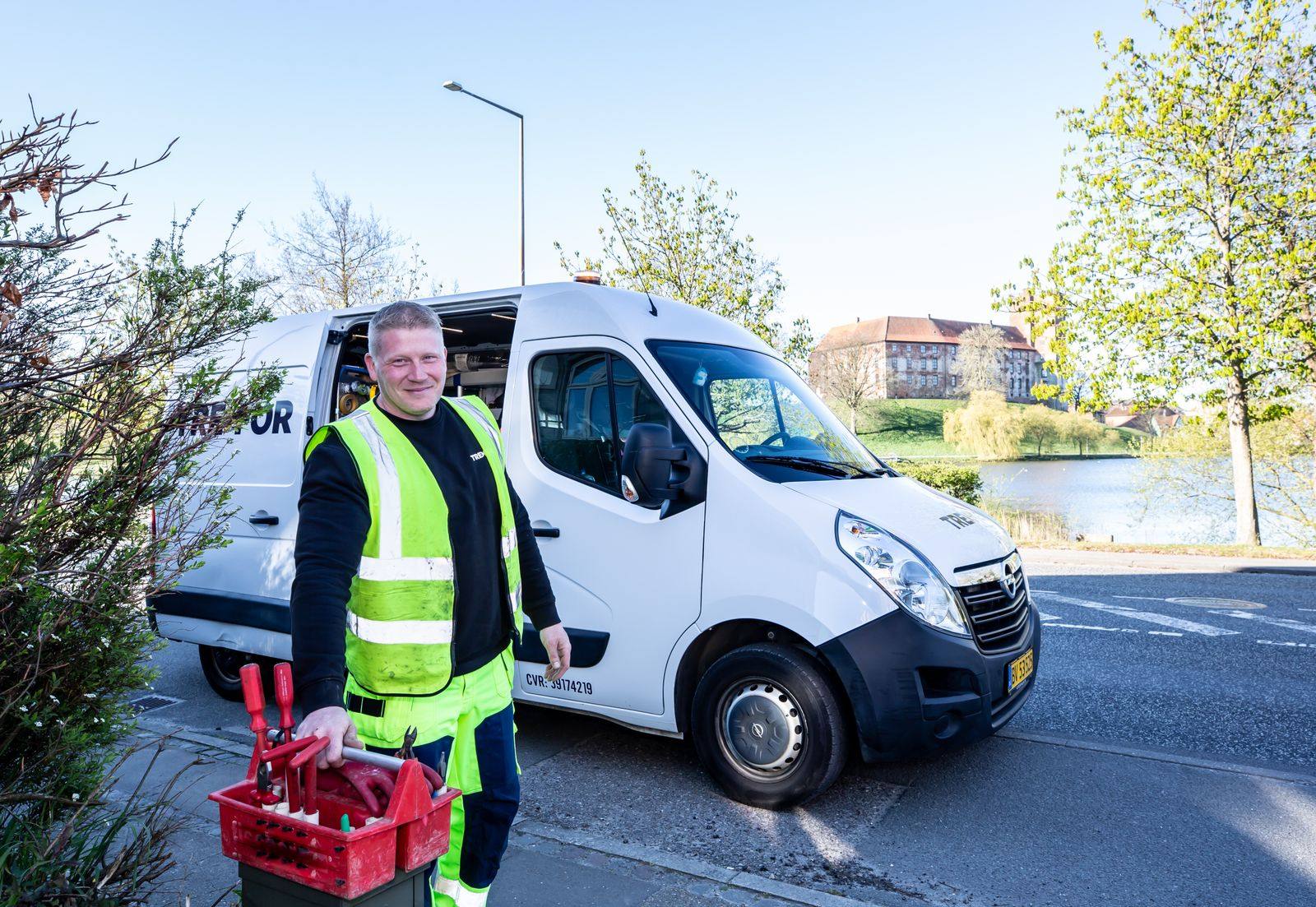
How do you know a water heater problem is urgent? Usually it is one of four things: active flooding, a discharging relief valve, dangerously hot water, or a gas odor. Flooding is the one that catches people off guard. A failed tank is still connected to the cold supply, so it keeps refilling and leaking long after its own contents are gone, and the damage reaches finished floors and lower rooms fast. A temperature and pressure relief valve that keeps releasing water or steam is the heater telling you a safety limit has been exceeded. Scalding water points to a runaway thermostat or gas valve. A gas smell is its own category and comes with its own first steps, covered below. Across Lee's Summit, MO, we move each of these to the front of the line.
Safety comes before the phone call to us. If you smell gas, leave the house right away, do not flip light switches or unplug anything on the way out, and call your gas utility or 911 from outside. Once gas is ruled out, close the cold-water shutoff on the line feeding the heater; if it is stuck or out of reach, shut the main water valve for the house. On a gas unit, set the gas control to OFF. On an electric unit, switch off its breaker, and never touch the panel while standing in water. If the relief valve is discharging, do not cap it or plug the discharge pipe, because that valve is the only thing keeping an overheated tank from failing violently. Then call (816) 219-8133 and our team will pick it up from there.
The first thing we do is listen. When you call (816) 219-8133, we help you confirm the water and energy are off, suggest what to move out of the water's path, and dispatch a technician as fast as the day allows, with a straight answer about timing. On arrival, the priorities are safety, diagnosis, and a clear explanation. Worn relief valves, weeping drain valves, rotted dielectric fittings, dead thermocouples, and failed elements are the usual culprits, and we stock them so the fix rarely waits on an order. A tank that has corroded through is the exception, since nothing short of a new heater solves it, and we lay out those options honestly. Save our number now so you have it before you need it in Lee's Summit.
What homeowners call us about most is Water Heater Repair in Lee's Summit. Either is a good place to start.
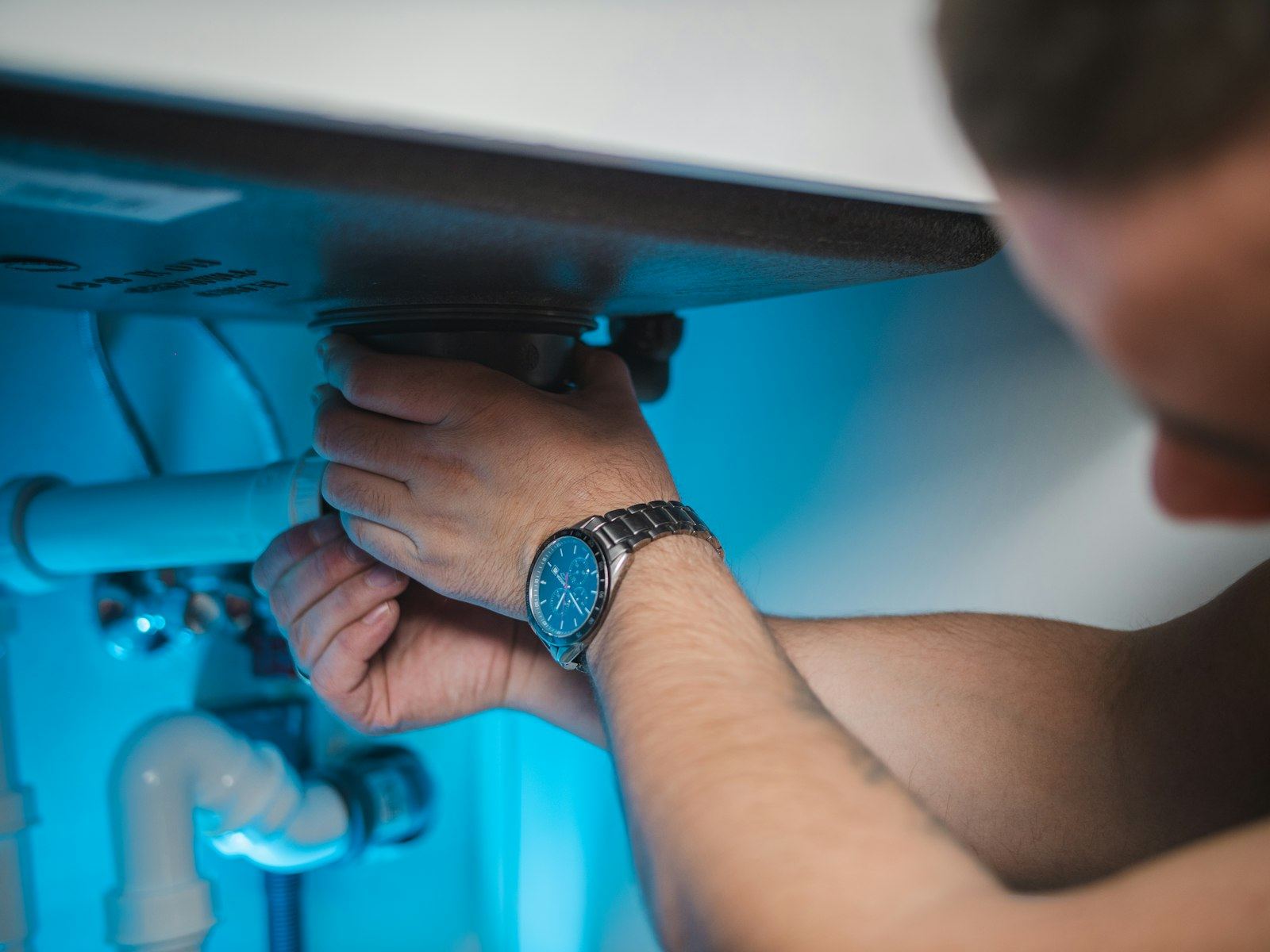
When to Call for Emergency Water Heater Repair
Recognizing the warning signs early can save you money and keep a slow drip from turning into a flooded utility room. If any of the following sound familiar, it's worth having the unit checked:
- Scorch marks, soot, or flames rolling out near the burner access on a gas unit
- A puddle under the tank that keeps growing
- Water at the tap that is suddenly scalding hot
- An electric water heater that keeps tripping its circuit breaker
- Any gas odor around the heater, which means getting out and calling the gas company before calling us
- The relief valve on the side of the tank dripping, hissing, or discharging
- Every tap running cold and the heater showing no signs of life
- Violent rumbling or banging from the heater as it runs
Act Before It Gets Worse
A worn-out anode rod, a sediment-choked tank, or a weak thermocouple rarely fixes itself, and the repair usually costs more the longer it waits. Don't wait. Get Lee's Summit Water Heater on the phone at (816) 219-8133 and we'll get a technician scheduled.
No Hot Water? We Can Help.
Call Lee's Summit Water Heater for fast, reliable service.
Get Help: (816) 219-8133Frequently Asked Questions About Emergency Water Heater Repair
Why Hire a Professional for Emergency Water Heater Repair?
Emergency calls bring together electricity, gas, heat, pressure, and water, which is exactly the mix that makes do-it-yourself work risky. An electric heater sits on a 240-volt circuit that should never be handled while standing in water. A gas heater has fuel piping, a burner, and a vent that can leak exhaust into the room if something is out of place. The tank itself holds scalding water under pressure, and a discharging relief valve is signaling an unsafe condition that must be solved, not silenced. Capping that valve, relighting next to a gas odor, or forcing a rusted connection are mistakes we see far too often.
A trained technician brings the right order of operations and the right parts. Our team confirms the heater is isolated, tests for gas leaks with a detector and soap solution rather than guessing, checks household water pressure and thermal expansion when a relief valve has been discharging, and inspects the vent for proper draft before a gas unit is restarted. Just as important, we tell you honestly when a heater can be repaired and when it cannot. A leaking seam or rusted-through bottom cannot be fixed, while a failed valve, fitting, or element usually can, and the difference is often a modest repair bill versus the cost of a whole new unit. You get that answer before any work begins.
Step by Step: How a Visit Works
Every visit follows a step-by-step method built around testing first and replacing parts only when the readings call for it. Here's how we handle emergency water heater repair from start to finish:
Phone Triage & Shutoff Help
We start on the phone: confirm there is no gas odor, help you close the cold supply and turn off gas or power, and talk through what to move out of the water's path.
Secure the Area
We send a technician with a stocked truck and give you a realistic time frame. The first job on arrival is confirming the heater is isolated and the area is safe to work in.
Diagnose & Repair
We trace the real cause, whether that is a worn valve, a rotted fitting, or a dead element, and repair it on the spot when the part is on the truck.
Test and Confirm
Restarting correctly matters. We fill the tank before power or gas returns, check fittings and the relief valve for leaks, verify draft on gas units, and leave the thermostat near 120F.
Water Heater Care Tips From Our Technicians
A few preventive steps can help you avoid a cold shower or a wet floor down the road. Here are our recommendations:
- A simple water sensor on the floor beside the tank can warn you hours earlier
- Know where the heater shutoff and the main water valve are, and make sure everyone in the house does too
- A 120F setting is safer for skin and easier on the heater than the hottest setting
- Put the heater in a drain pan piped to a floor drain or the exterior where the setup allows
- Flush sediment from the tank yearly, since buildup overheats the bottom and speeds corrosion
- Store chemicals and flammables far from the burner, and keep the area around the heater uncluttered
- Test the T&P valve annually; a valve that sticks or weeps afterward should be replaced
Should You DIY or Call a Pro?
Relighting a pilot by following the label is one thing. Diagnosing a gas valve, a burned-out element, a dirty flame sensor, or a tankless error code calls for meters and know-how that a pro brings. Consider the following comparison:
| Factor | Doing It Yourself | Professional Service |
|---|---|---|
| Gas Safety | Risk of ignition while investigating | Gas utility first, then tested with proper tools |
| Stopping the Leak | Unsure which valve to close | Shutoffs confirmed holding before diagnosis |
| Relief Valve | Valve capped or plugged, a dangerous move | Cause found: pressure, expansion, or overheating |
| Electrical Hazard | Resetting breakers while the floor is wet | Breaker isolated and wiring checked first |
| Finding the Cause | Symptom treated, source unknown | Exact source traced before parts are swapped |
| Result | Problem likely to return | Lasting repair or honest replacement advice |
Talk to Our Emergency Water Heater Repair Team
Get your hot water back before a small fault turns into a flooded floor. Lee's Summit Water Heater is ready to respond fast.
Tap to Call (816) 219-8133Where We Provide Emergency Water Heater Repair
Our technicians handle emergency water heater repair throughout Lee's Summit and the surrounding communities, with the same upfront pricing everywhere we work.